Understanding Pest Behavior: Insights into Effective Control Strategies Jul 02, 2026
The behavior of pests like rodents, cockroaches, and termites often determines the most effective methods for control and eradication. For instance, rodents are notorious for their ability to exploit small entry points to access food and shelter. They have a penchant for gnawing, which can damage structures and contaminate food. Understanding these habits points towards strategic placement of traps and the importance of sealing potential entry points around your home.
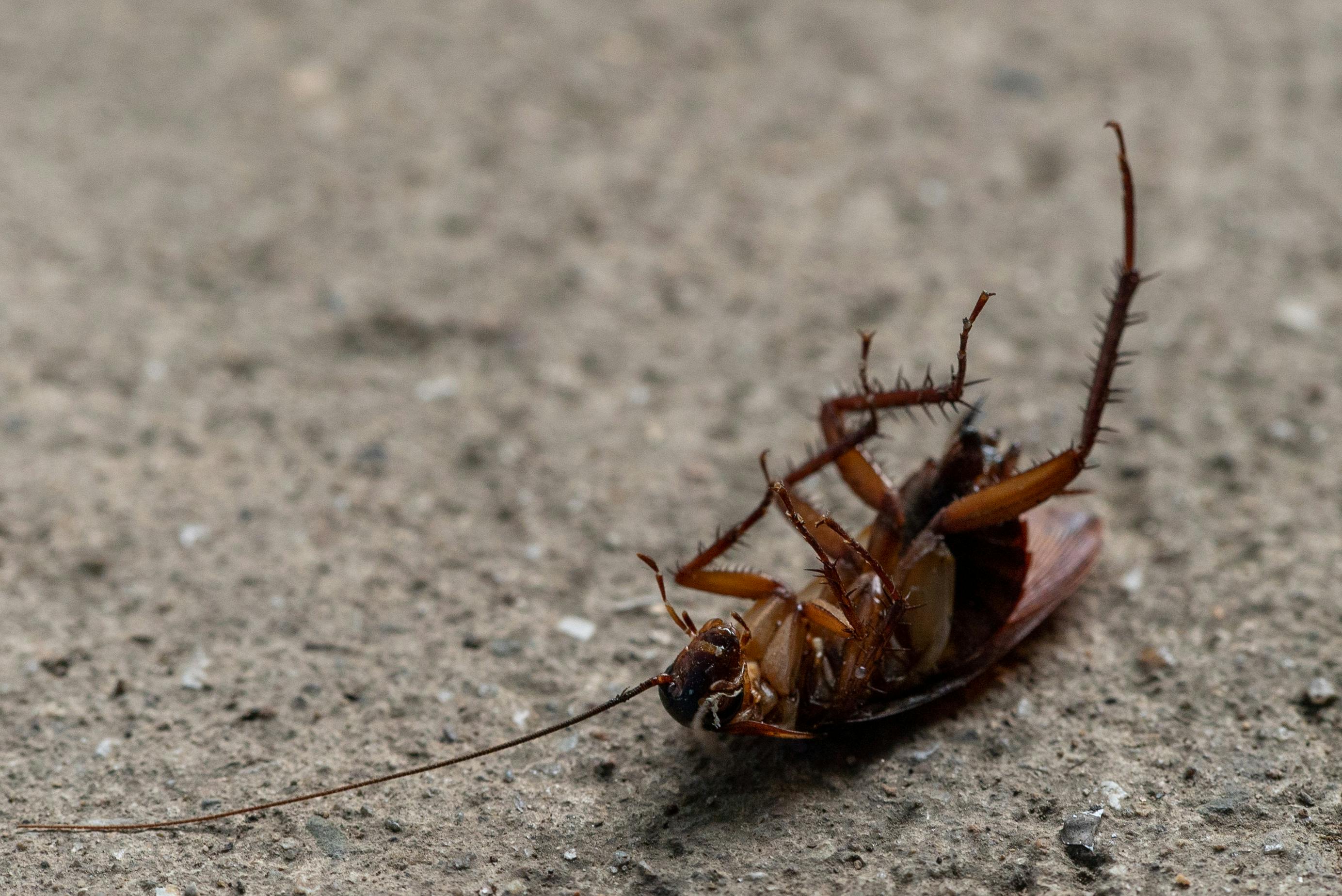
Cockroaches exhibit a different set of behaviors. They thrive in dark, moist environments and are primarily nocturnal. This understanding is crucial because it means that monitoring for cockroach activity is best done at night or in secluded areas such as basements and under sinks. By focusing control efforts in these areas, using bait and traps that fit their habits, effective reduction in their population can be achieved.
Termites, on the other hand, can be highly destructive without showing immediate signs of activity. They are known for their silent and subtle invasion patterns, often going unnoticed until significant damage has occurred. Knowing that termites are attracted to moisture and wood, preventive measures such as reducing moisture levels in and around your home, and using termite-resistant materials can be effective. Additionally, regular professional inspections can help detect early signs of an infestation, allowing for timely and effective intervention.
Developing a pest management plan also involves understanding the specific life cycles and reproductive periods of pests. By targeting pests during their most vulnerable stages, control measures can be more effective and require less chemical intervention, which is beneficial for both human health and the environment. For example, scheduling treatments during the breeding season can significantly reduce the population for the rest of the year.
Another crucial component is the adaptation of pests to various control methods over time. Some pests have shown resistance to specific pesticides, making it essential to continually update and rotate treatment methods. Integrated Pest Management (IPM) is a holistic approach that combines biological, mechanical, and chemical tools in a strategic way to maintain pest populations at bay.
For homeowners keen on adopting preventative measures, maintaining cleanliness and order is foundational. Eliminating food sources by sealing food in airtight containers, removing clutter, and regular cleaning can greatly deter pests. Ensure that garbage bins are tightly closed and outdoor vegetation is trimmed back from the house to eliminate potential nesting sites.
Understanding pest behavior allows for the creation of a more strategic and less invasive pest control program. At Mr. Pest & Weed Control, we stress that knowledge about your adversaries not only helps in effective extermination but also contributes to preventing future infestations. By comprehensively addressing the unique behaviors and lifecycles of pests, we are better equipped to protect homes and businesses while ensuring a healthier living environment.
In conclusion, combining behavioral insights with effective pest management strategies can significantly reduce the impact of pests in and around your property. If you suspect an infestation or want to preemptively protect your home, contact Mr. Pest & Weed Control for expert advice and services tailored to your needs. Our commitment is to your safety and peace of mind.
/filters:no_upscale()/filters:format(webp)/media/d2531d4e-c956-4e4f-9275-c7ef67489ec0.png)